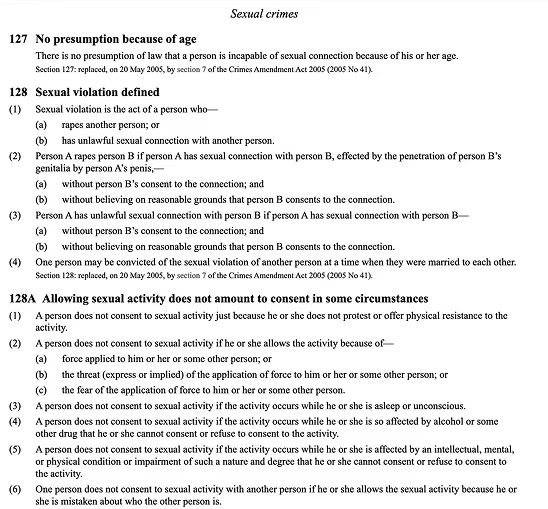
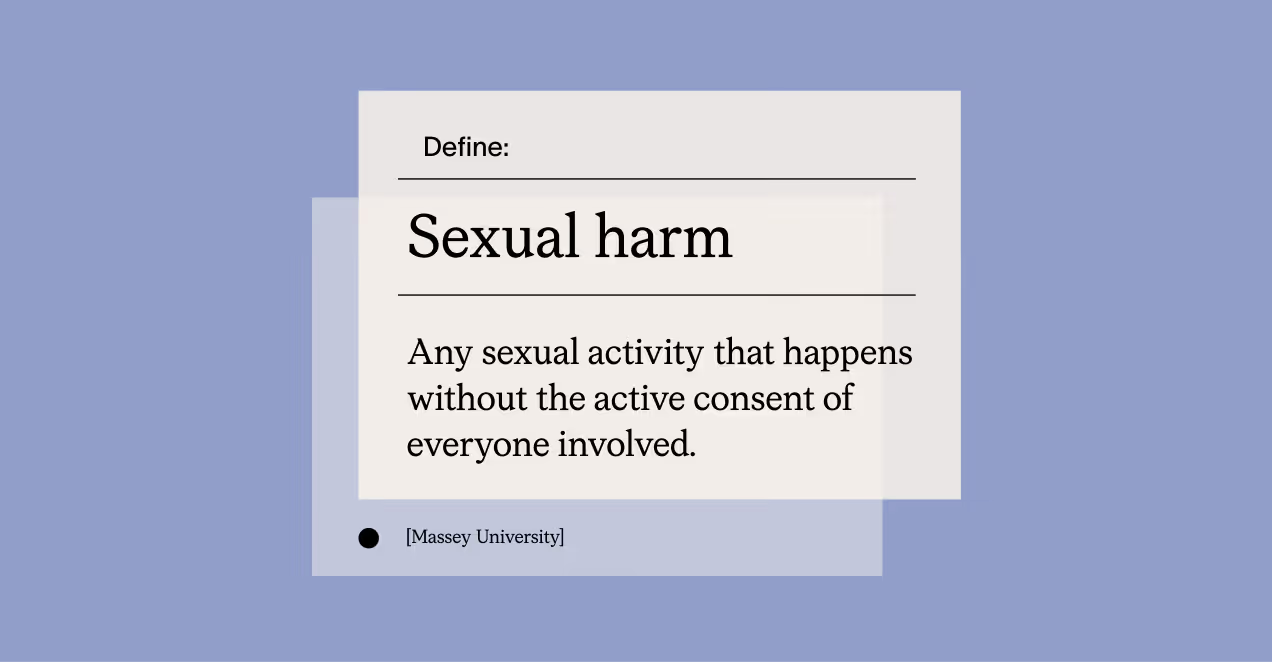
What is sexual harm?

There are many different kinds of sexual harm, and they are not always committed by strangers – in fact, in New Zealand most people know the person who harmed them. We’ve put some of the most common forms of sexual harm in the drop-down menu below.
Please use caution: The information below uses specific language about sexual harm and could be upsetting. Please feel free to skip this page if you need to, or come back to it when you feel it’s safe for you to do so.
This covers any unwanted penetration of the body, whether that’s vaginal, anal or oral, by a penis, fingers or an object.
Sexual assault can include any unwanted physical contact of a sexual kind. This includes touching, grabbing, kissing, being made to touch someone else, or other sexual acts that were forced or unwanted. The contact does not need to be rough or violent. Gentle or non-violent contact can still be sexual assault if it was unwanted.
This is when someone deliberately shows their genitals to you in person. It’s sometimes called flashing or indecent exposure. It also covers being made to watch other people do sexual acts, or being shown sexual images or videos you didn’t want to see.
This is when someone takes advantage of your circumstances to pressure you into sexual acts you don’t want to do. This could include sexual acts in exchange for something you needed such as money, housing, work or a visa. There’s often no force involved at all, which is part of what makes it hard to name.
This is unwelcome sexual behaviour that makes you feel uncomfortable, humiliated or unsafe. It includes comments, jokes, questions about your sex life, and repeated advances to go on a date or have sex after you’ve said no. It also includes taking photos or videos of you without your permission or watching you in a toilet or changing room.
This is similar to sexual harassment and covers unwelcome sexual behaviour that takes place online through messaging, emails, video calls, apps, games, social media, websites or anywhere else online. It includes having intimate images or videos of you shared or published without your permission or being threatened with this, as well as the creation of fake sexual images of you using AI (sometimes called “deepfakes”).
How to support someone that discloses to you
It can feel really uncomfortable and confronting when someone discloses sexual harm to you; and what you say when they do, can help shape their healing journey.
But you don’t have to be an expert to support a friend, whānau member or colleague who has come to you for help. Listening with empathy can make a distressing experience much easier for everyone.
- Listen, don’t judge: Find a safe space where they can speak openly about their experience and give them your attention, even if it’s hard to hear. Try not to interrupt them even if you have lots of questions.
- Believe them: Tell them you believe them and are there to support them. Thank them for trusting you with this information. Don’t tell them what YOU think they should do (go to police or their boss, for instance) unless they ask.
- Make them a priority: Make sure their immediate safety and wellbeing is addressed. Ask them if they need help right now and be prepared to follow through.
- Commit to confidentiality: Reassure the survivor that you’ll keep their information completely confidential unless they give you permission to involve other people.
- Offer help: The survivor may feel too overwhelmed to look for the support they need – give them information about counselling or other resources that are available.